
SciMed Education
How Does EPR Spectroscopy Evaluate Edible Oil Quality?
In Summary
Electron Paramagnetic Resonance (EPR) spectroscopy provides a direct way to measure free radicals formed during edible oil oxidation. Unlike conventional methods that infer degradation indirectly, EPR detects the chemical species responsible for quality loss. This makes it a powerful educational and analytical tool for understanding oxidation mechanisms, evaluating antioxidant performance, and comparing oil stability under thermal stress.
What Is the Key Takeaway About EPR and Oil Quality?
Electron Paramagnetic Resonance (EPR) spectroscopy provides a direct way to measure free radicals formed during edible oil oxidation, helping reveal early chemical changes linked to degradation. Unlike conventional methods that infer deterioration indirectly, EPR detects the reactive species responsible for quality loss.
This makes it a powerful educational and analytical tool for understanding oxidation mechanisms, evaluating antioxidant performance, and comparing oil stability under thermal stress.
Why Does Oil Oxidation Matter for Quality and Stability?
Edible oils oxidise when their unsaturated fatty acids react with oxygen during storage and heating, forming unstable free radicals that drive chemical breakdown. Unlike traditional tests that detect degradation after it has progressed, monitoring oxidation at the radical stage reveals earlier changes in oil stability.
This provides clearer insight into rancidity development, helping researchers and quality teams evaluate deterioration and guide decisions about oil performance and shelf life.
Figure 1. Edible oil sample context for oxidation analysis.
How Does EPR Detect Radicals in Edible Oils?
EPR works by detecting unpaired electrons, which are characteristic of free radicals. In edible oil studies, spin trapping agents stabilise transient radicals so they can be measured reliably.
This provides a fingerprint of oxidative activity and allows comparison between oils, formulations, and storage conditions. The resulting spectra reveal how radical populations evolve, supporting both research and practical quality assessment.
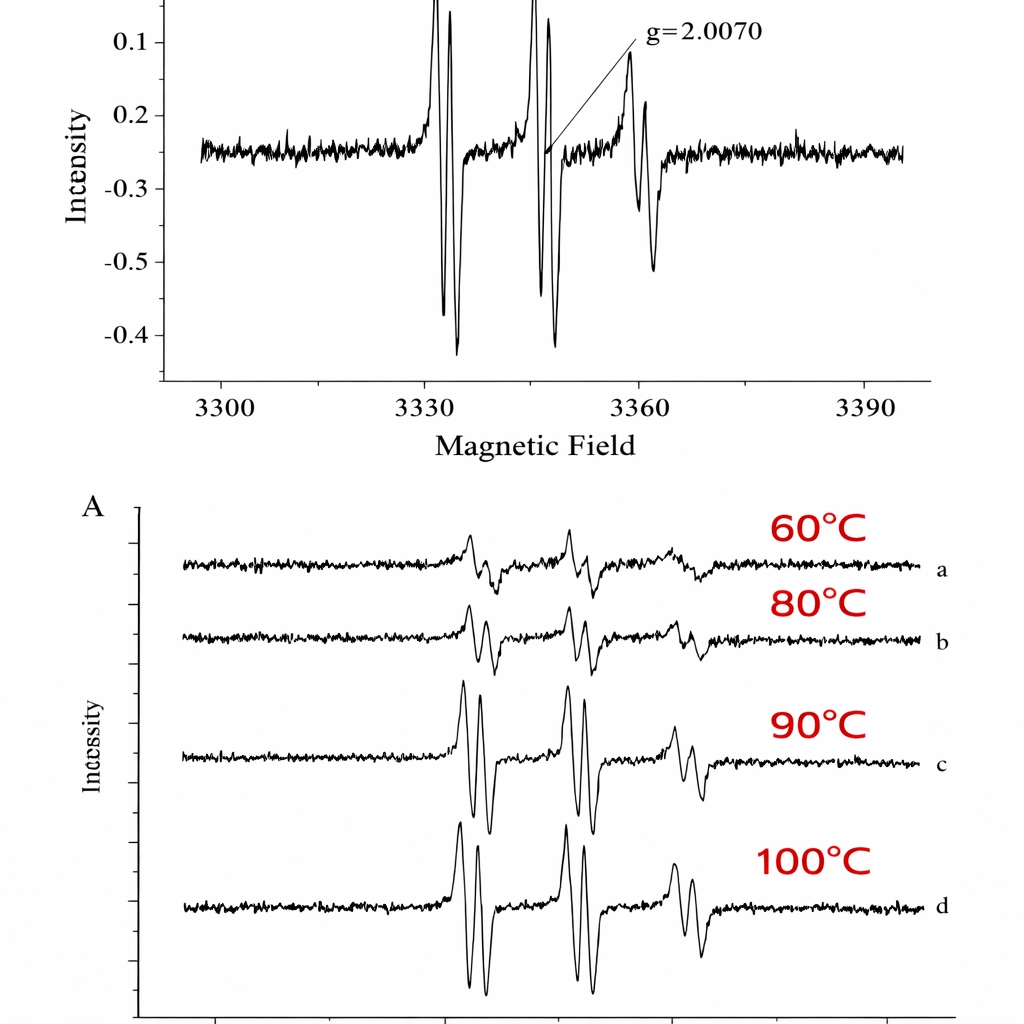
Figure 2. Representative EPR spectrum illustrating radical detection.
What Happens to Oil Oxidation as Temperature Increases?
Thermal exposure accelerates oxidation by increasing reaction rates and radical formation. EPR enables real-time observation of how radicals grow with temperature, providing insight into oil stability during cooking, processing, and accelerated aging tests. These measurements help predict shelf life and identify oils or formulations with improved thermal resistance.
How Can EPR Evaluate Antioxidant Performance in Oils?
Antioxidants slow radical chain reactions and extend oil stability. EPR provides a quantitative way to compare antioxidant effectiveness by tracking radical signal growth over time. This supports formulation development, ingredient optimisation, and validation of shelf life strategies. Because measurements are direct, subtle differences in protection can be identified earlier than with conventional methods.
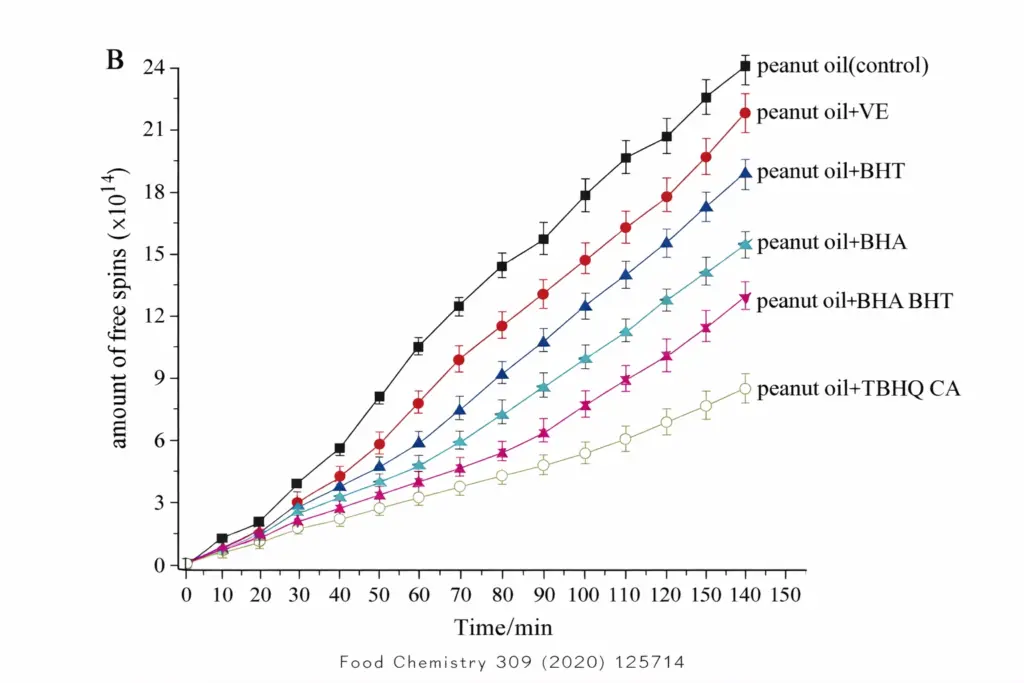
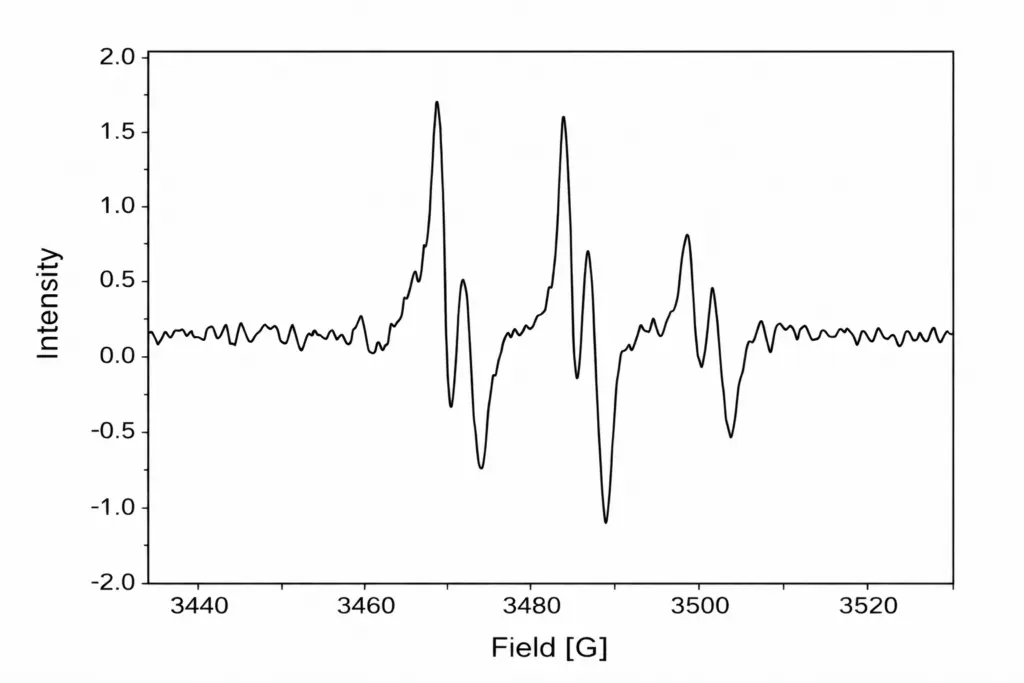
Figure 3. Radical intensity changes with increasing temperature.
Figure 4. Comparative EPR signals demonstrating oxidation behaviour.
Where Is EPR Used in Practical Oil Quality Applications?
EPR spectroscopy supports edible oil research, quality control, and education. Applications include oxidation monitoring, antioxidant screening, accelerated stability testing, and comparative oil analysis. Its sensitivity makes it useful for both laboratory studies and advanced quality workflows.
What to do next?
If you require more information, such as detailed application notes or a conversation with a member of our team, please view our product or contact below.
Page FAQ's
EPR measures free radicals formed during oxidation, providing direct insight into oil degradation.
Free radicals drive oxidation reactions. Detecting them early allows better prediction of oil stability.
Higher temperatures accelerate radical formation, which EPR can monitor in real time.
Yes. EPR compares how antioxidants suppress radical growth, supporting formulation optimisation.
Contact Us Today
We take great pleasure in assisting you and ensuring you get a prompt response to your questions
Live chat opening hours Mon – Fri 9:15 to 16:30 (UK Time)