Home » Products » Materials Characterisation » C-Therm Trident Thermal Conductivity Analyser
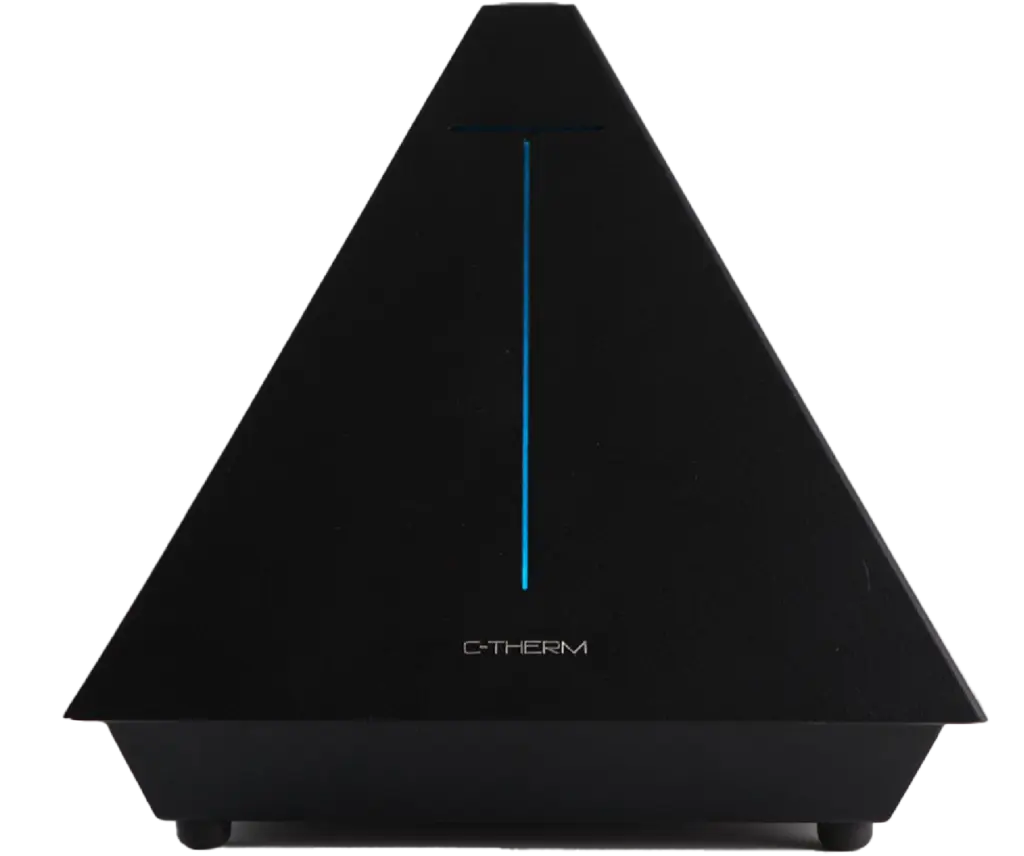
C-Therm Trident Thermal Conductivity Instrument
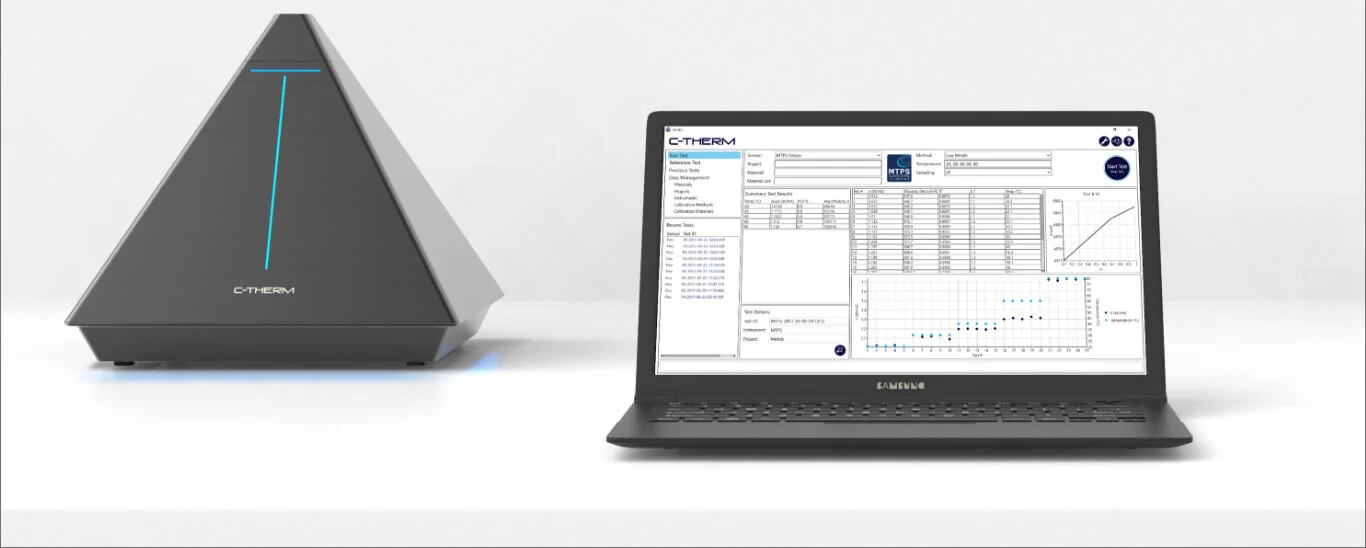
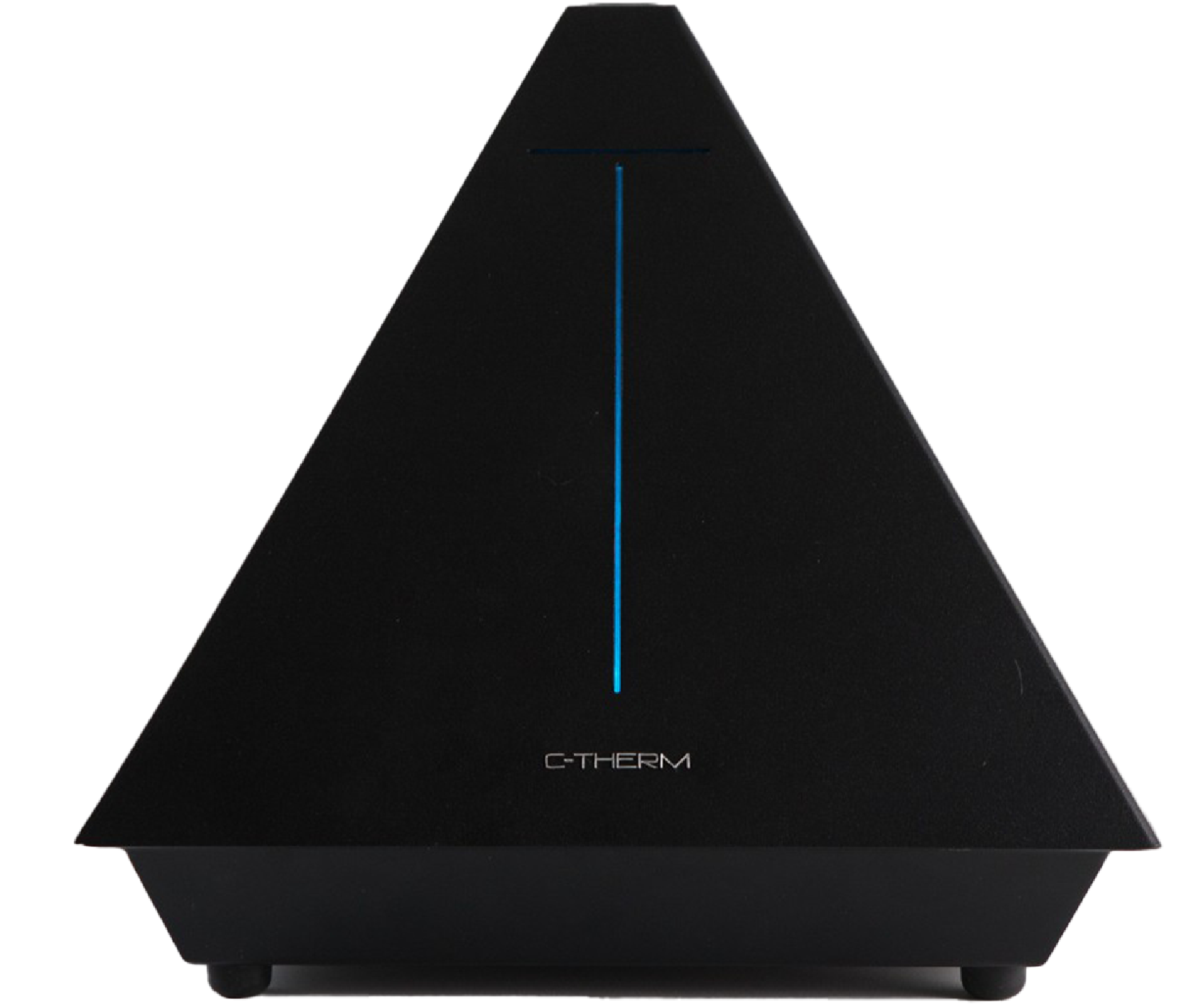
The C-Therm Trident Thermal Conductivity Instrument is a multi-method, high-precision thermal conductivity instrument for rapid and flexible materials testing.
Product Overview
The Trident instrument manufactured by C-Therm is an advanced thermal conductivity instrument designed for laboratories needing accurate, repeatable and fast characterisation across a wide range of materials.
It combines multiple thermal-measurement methods in one platform allowing scientists and engineers to test, for example, polymers, composites, metals, ceramics, building materials and electronics with exceptional flexibility. The instrument supports research, QC and product-development workflows making it ideal for UK universities, industrial laboratories and materials-innovation teams.
Features & Benefits
High accuracy system
Provides stable and repeatable measurements suited to research and QC.
Multi-method platform
Switch between TPS, MTPS, TLS, and THW for full materials coverage.
Fast test cycles
Enables rapid screening to shorten development timelines.
Publication-ready data
Generates validated and traceable results for academic and industrial use.
Low operator training
Intuitive setup makes operation simple for new users.
Broad sample support
Handles irregular. small or layered samples with consistent performance
Key Features
Key features of the Trident Instrument are the multi sensor options based on the transient analysis method of thermal conductivity measurement.
The Trident system combines four thermal conductivity methods, each suited to different material types and testing objectives. By integrating TPS, MTPS and THW methods into one platform Trident instrument enables scientists and researchers to select the method that best fits their experimental measurement requirements. This is particularly valuable in multi-disciplinary and high-throughput environments. where testing requirements can vary significantly from day to day. Having all four methods in a single platform ensures long-term flexibility and allows users to select their testing strategy as project needs evolve.
1. Modified Transient Plane Source (MTPS) – A rapid single sided sensor method that has the highest precision and sensitivity on the Trident platform.
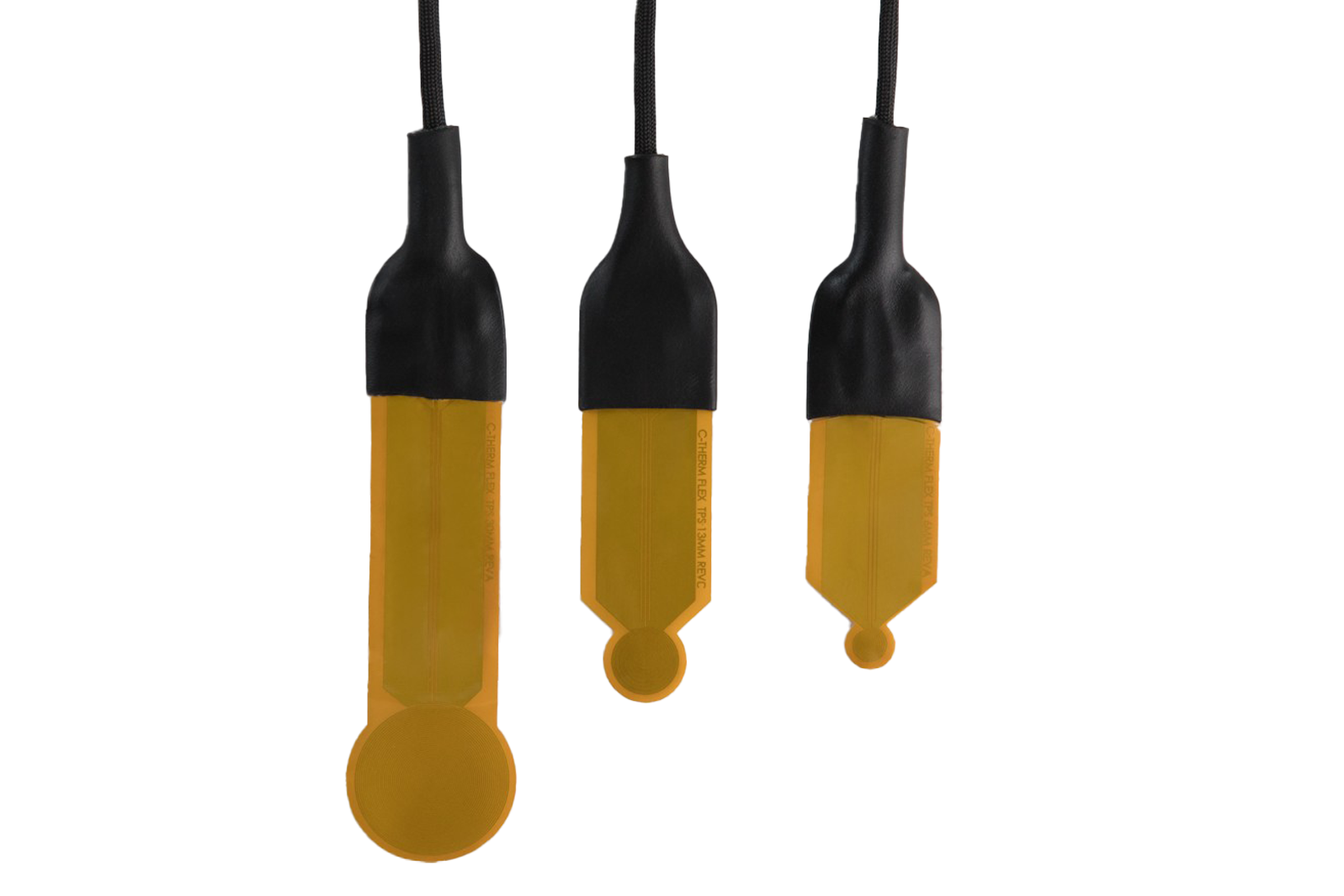
2. Transient Plane Source (TPS) Flex – Provides great flexibility and control over experimental parameters.
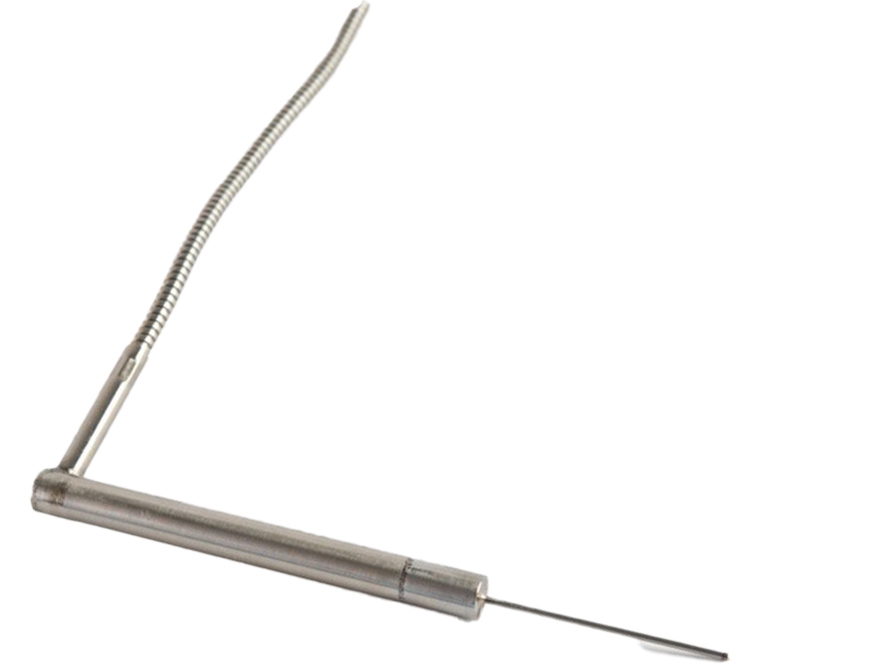
3. Transient Line Source (TLS)Needle – Utilises a robust needle probe for viscous and granular materials.
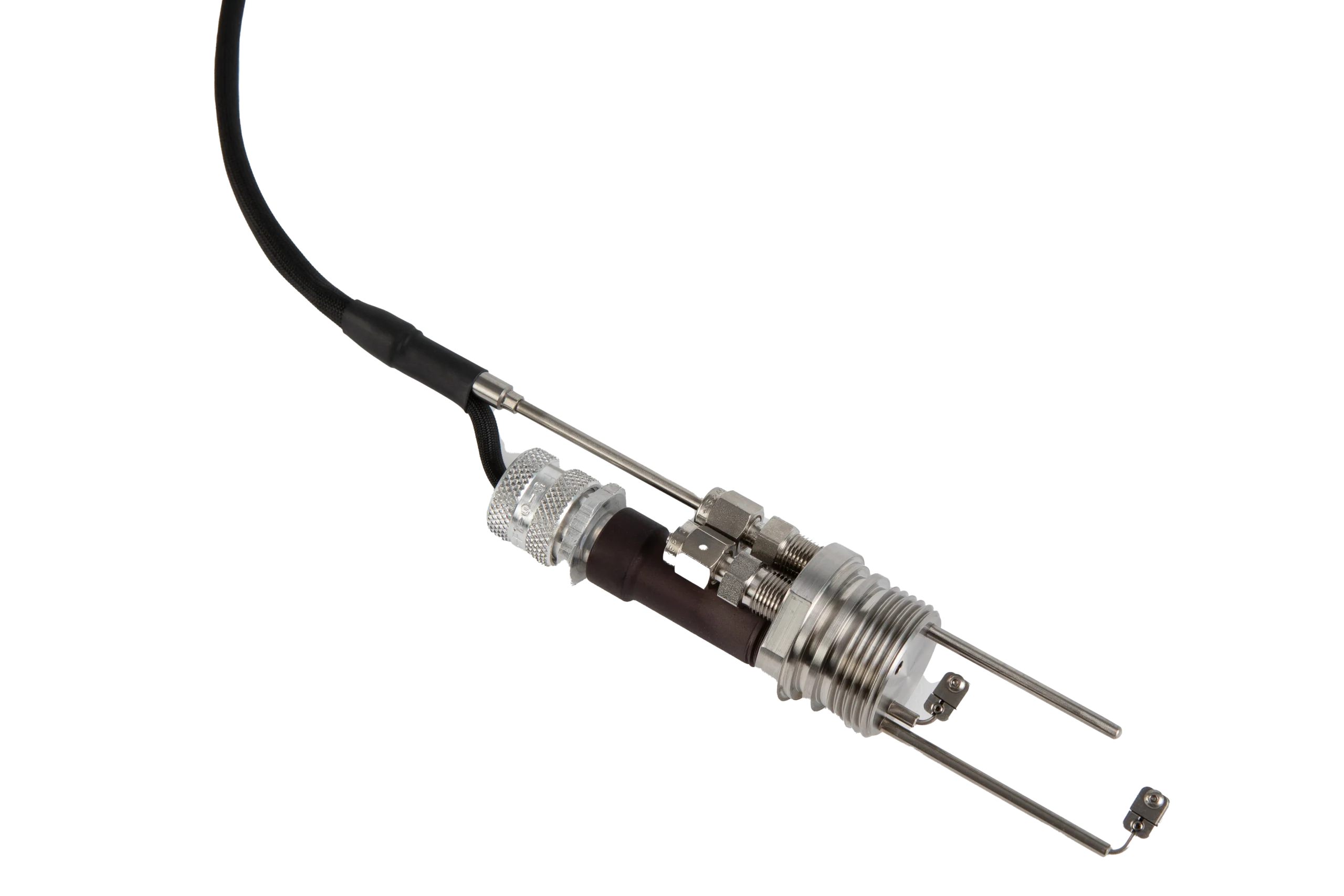
4. Transient Hot Wire (THW) – Employs a thin platinum wire to measure thermal conductivity of liquids, gels and powders
The Trident platform with its different measurement techniques allows:
- Wide Materials Compatibility Handles many materials including polymers, metals, composites, ceramics, foams and thin or irregular samples.
- Flexible Sensor Configuration Interchangeable sensors allow quick switching between TPS. MTPS, TLS and THW methods.
- Advanced Software Interface Guided workflows reduce training time and ensure consistent high-quality measurements.
- Publication-Ready Data Quality Generates reliable, traceable datasets suitable for research papers and industrial reports.
- Simple Sample Preparation Minimises setup time and supports high-throughput R&D and QC environments.
C Therm Trident Next Gen Thermal Conductivity Instrument
Playlist
4:12
2:11
For detailed videos and tutorials, visit:
About C-Therm Trident Thermal Conductivity Instrument
Why Thermal Conductivity Matters
Understanding the thermal conductivity of materials is critical across research. manufacturing and product-development environments. The C-Therm Trident has been designed to give UK laboratories a flexible precise and highly repeatable platform for characterising thermal behaviour across an exceptionally wide range of material classes. It brings together four established transient measurement methods allowing scientists and engineers to choose the most appropriate technique for their sample without needing multiple instruments. This reduces capital expenditure, streamlines workflows and ensures consistency across datasets.
A Multi-Method Platform for Total Flexibility
C-Therm’s Trident integrates MTPS, TPS, TLS, and THW in a single platform, allowing scientists and researchers to select the method best suited to their material and testing needs. This flexibility is ideal for multi-disciplinary, high-throughput environments, letting users adapt their testing strategy as projects evolve.
Modified Transient Plane Source (MTPS) for Fast Screening and QC Workflows
The Modified Transient Plane Source is the easiest and most versatile of the four available Trident compatible test methods and provides a rapid high precision measurement method for high quality and high-throughput testing. UK polymer manufacturers, foam producers and materials formulators for example often rely on this fast-response method to validate batch quality, screen new formulations and support continuous-improvement initiatives.
Because MTPS testing requires minimal sample preparation it is ideal for production-environment use or for researchers who need rapid material comparisons. Application areas include Aerogels, Automotive, Batteries, Composites, Insulation, Explosives, Geological, Liquids, Metals, Nanomaterials, Metal Hydrides, Nuclear, Phase Change Materials, Polymers, Rubber, Thermal Interface Materials and Thermoelectric.
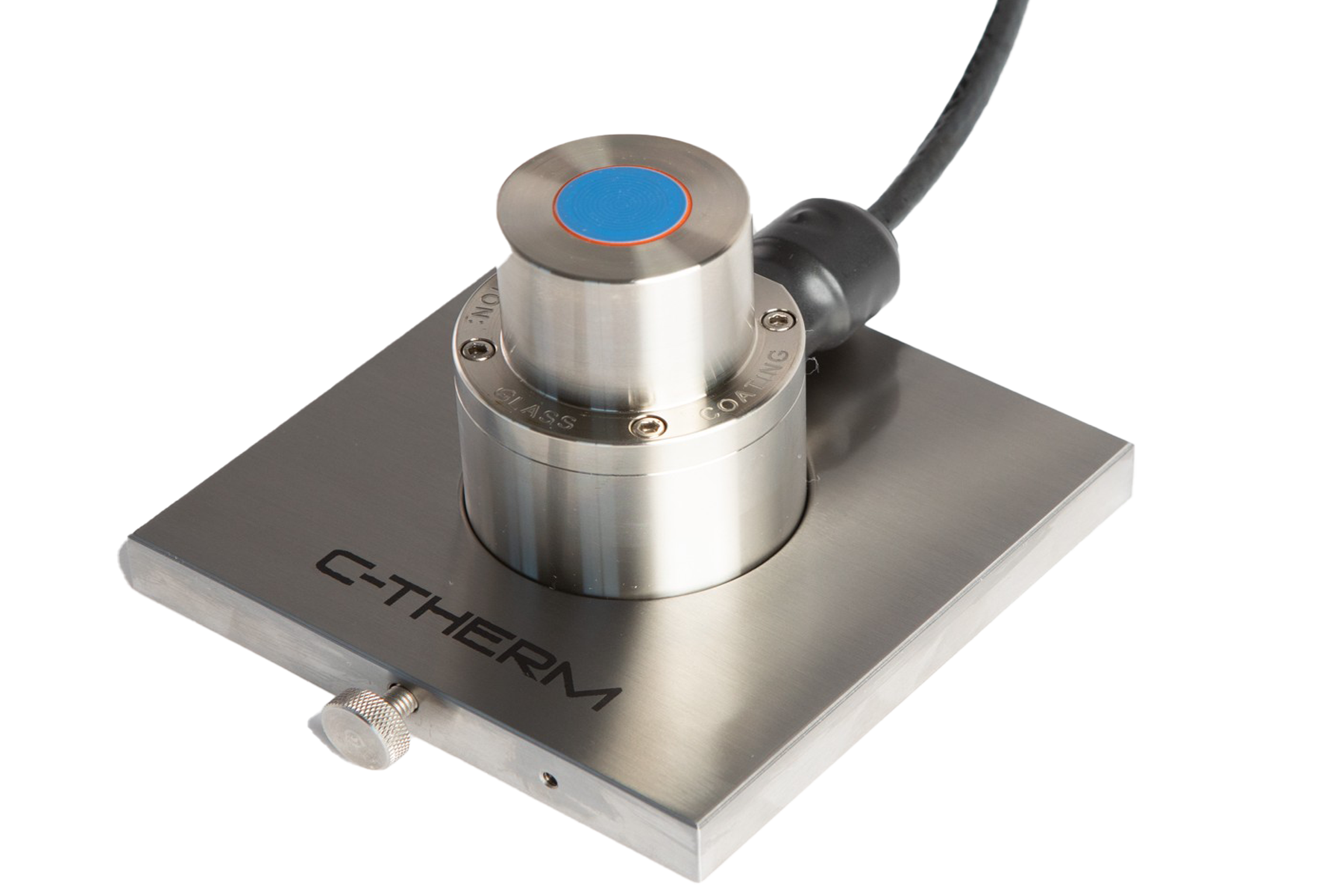
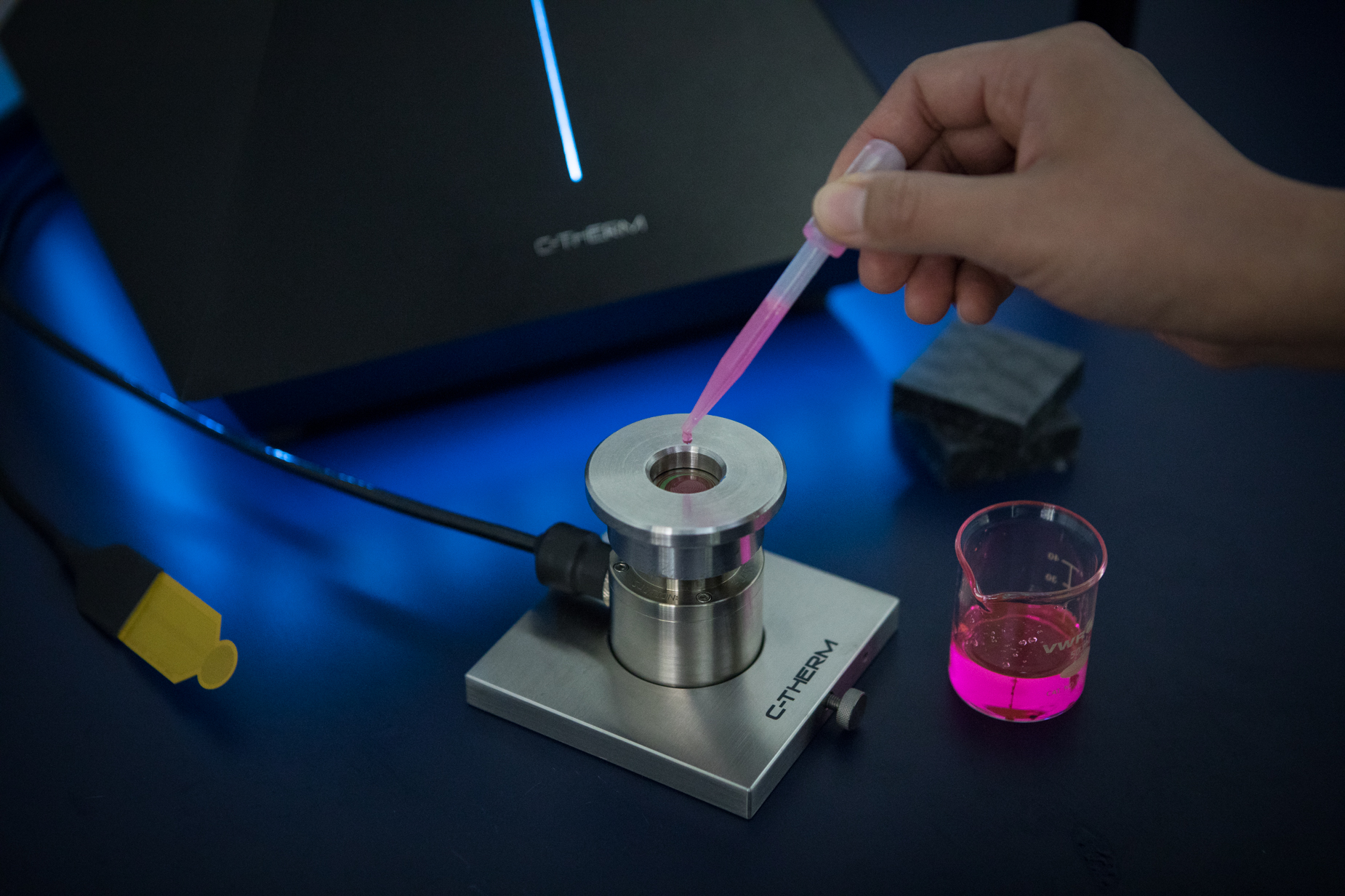
The Patented Modified Transient Plane Source (MTPS) sensor – A single-sided, “plug & play” sensor suitable for testing solids, liquids, powders, and pastes. Conforms to ASTM D7984.
Transient Plane Source (TPS-Flex) for Advanced Materials.
C-Therm’s transient plane source sensor technology, consisting of a double-sided hot disc sensor yields an established method used in both academic research and industrial laboratories worldwide. This method offers great flexibility and control, and recommended applications include cement/concrete, metal sheets, polymers, ceramics and thin films
Flex Transient Plane Source (TPS) – A flexible, double-sided sensor available in multiple sizes. Conforms to IEEE 442-2017, ASTM D5930-17, ASTM D5334-22
Transient Line Source (TLS)Needle – Utilises a robust needle probe suitable for viscous and granular materials. Application areas include Polymer melts, Semi Solids, and Soils.
Transient Line Source (TLS) Sensor – An electrically heated needle probe sensor designed for maximum robustness. Conforms to ISO 22007-2, GB/T 32064, ASTM E3088-25
Transient Hot Wire (THW) – Employs a thin platinum wire to measure thermal conductivity of liquids, gels and powders and finds applications amongst others in automotive fluids, non-conductive liquids, gels and powders. It has fast test times which help limit conduction effects.
Transient Hot Wire (THW) sensor – A line heat source sensor for low viscosity fluids. Conforms to ASTM D7896-19
Modular Design for Evolving Research Needs
The Trident platform has been engineered with modularity in mind so laboratories can invest in the methods they need today and expand later. Sensors are interchangeable, and method switching is straightforward making the system a genuinely future-proof laboratory asset. For organisations working across multiple material categories this flexibility ensures that the system remains relevant as research priorities change.
User-Friendly Software and Operator Guidance
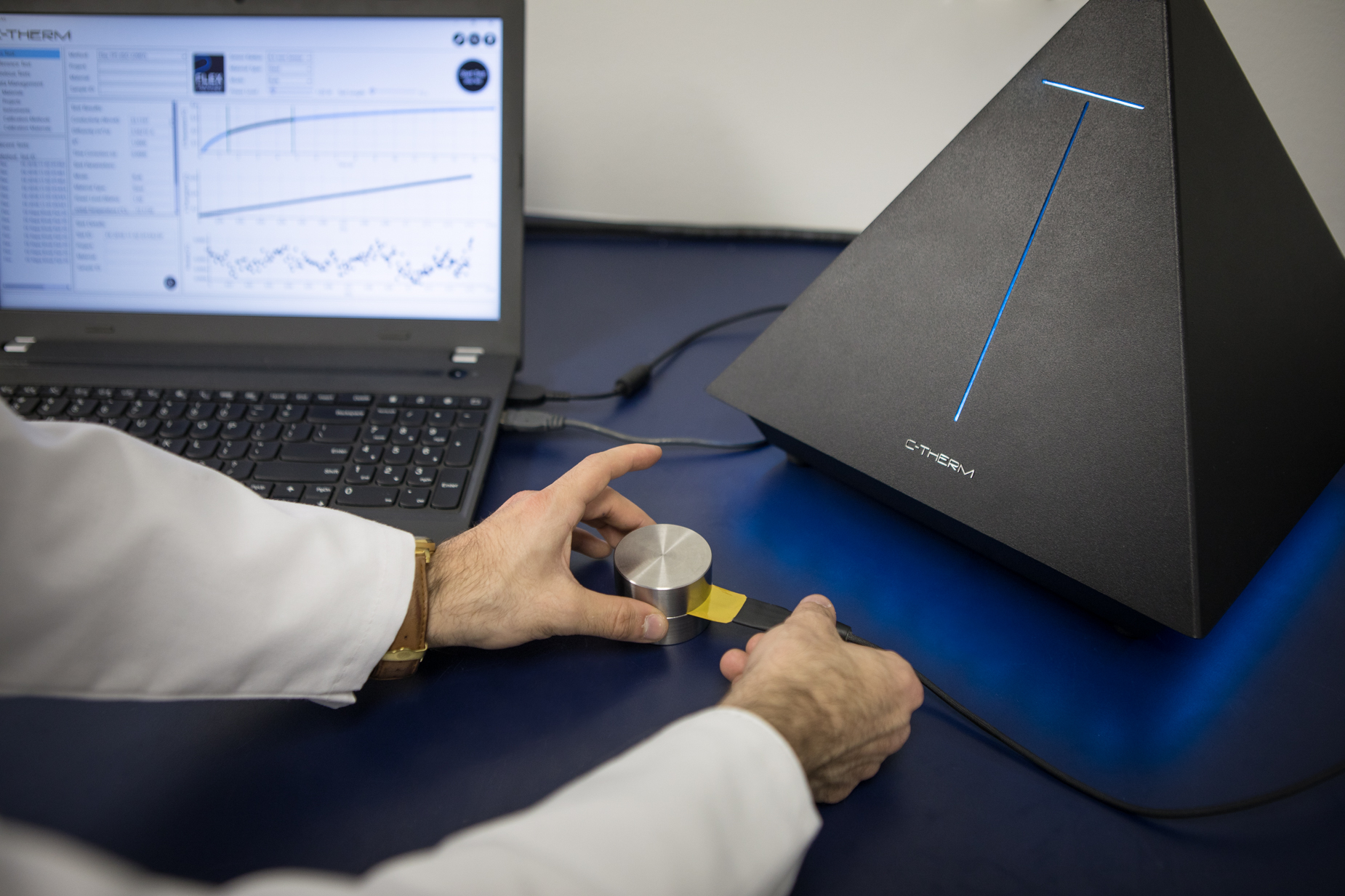
Software usability is another strong point. The interface is designed to guide operators through each stage of measurement providing step-by-step instructions, recommended parameter ranges, and clear visual indicators for data quality. This reduces operator training requirements and helps ensure data consistency even when multiple users are involved. Universities and multi-user facilities in particular benefit from this because a wide range of experience levels is common across research groups and teaching labs
High-Accuracy Data for Research and Industry
C-Therm’s Trident is used by leading researchers worldwide, delivering high accuracy, exceptional sensitivity, and high repeatability across all thermal conductivity measurement scenarios. With low measurement uncertainty and strong stability over test cycles, it supports research publications, materials-development programs, and regulatory submissions. Its multi-method capability enables researchers to perform cross-method comparisons within a single instrument, validating datasets and strengthening the robustness of their findings—crucial in peer-reviewed research, where multi-method corroboration enhances confidence in thermal-property data.
Tested to Industry Standards
Trident meets and exceeds global standards for thermal conductivity measurement, ensuring reliable and reproducible results. It is fully compliant with ASTM D7984, D5930-17, D5334-22, E3088-25, D7896-19, IEEE 442-2017, ISO 22007-2, and GB/T 32064 standards. This broad standards compliance gives researchers and engineers confidence that their measurements align with internationally recognized testing protocols.
Applications Across UK Research and Industry
Applications cover polymers, metals, ceramics, building materials, foams, composites, energy storage materials, and other advanced functional materials. In battery research, thermal conductivity informs thermal management and separator design. In electronics, it supports evaluating thermal interface materials and heat spreaders. In building materials R&D, it guides the development of more energy efficient insulation. The Trident provides the flexibility to serve all these sectors.
Supporting Innovation in the UK Materials Landscape
In the UK, investment into thermal-materials innovation is rising due to activity in aerospace, electric vehicles, hydrogen technologies and energy-efficiency programmes. Many Innovate UK and EPSRC-funded projects require high-quality thermal-conductivity data, and the Trident is well positioned to support these technical demands. Its combination of publication-ready accuracy, modularity and multi-method capability aligns with the requirements of research consortia and industrial-academic partnerships.
National Aeronautics and Space Administration (NASA) “We purchased the C-Therm Thermal Conductivity Analyzer after seeing a demonstration of how fast and easy it is to operate. The instrument provides unequivocal results and provides the flexibility to test powders and liquids. In terms of our satisfaction with the purchase, I’d give it a 10 out of 10 - extremely satisfied.” Dr. Enrique Jackson, NASA (Sector: Aerospace)
Product FAQ's
Thermal conductivity describes how well a material transfers heat, expressed in W/m·K, and is critical for understanding design performance beyond handbook values
MTPS (Modified Transient Plane Source) delivers fast, single-sided measurements with minimal sample prep and is the only method conforming to ASTM D7984, while TPS is a double-sided method that also measures diffusivity
Porous/granular samples such as foams, soils or powders have variable results due to air gaps, packing density and moisture; preparation is essential to get representative measurements.
Yes – C-Therm offers contract testing through Thermal Analysis Labs using the same instruments and methods, with typical turnaround of ~1–3 weeks
C-Therm instruments conform to recognised standards such as ASTM D7984 (MTPS), ISO 22007-7/ASTM E3088-25 (TPS), ASTM D5334/D5930/IEEE 442 (TLS), and ASTM D7896 (THW).
Yes – C-Therm provides installation support, operator training (virtual/on-site), manuals and ongoing technical assistance.
Yes – C-Therm supports universities and research institutes with specialised packages, training resources, and guides for educational use.
Applications
Application Note 1
Application Note 3
Contact Us Today
We take great pleasure in assisting you and ensuring you get a prompt response to your questions
Live chat opening hours Mon – Fri 9:15 to 16:30 (UK Time)