
SciMed Education
MicroCalvet Calorimeter & Cells
In Summary
The SETARAM MicroCalvet is a high accuracy three dimensional sensor microcalorimeter with interchangeable sample cells designed to support a wide range of calorimetric experiments. Its flexible temperature and pressure capabilities allow researchers to study heat flow, phase changes, reactions and adsorption processes under controlled laboratory conditions.
What is the role of a calorimetric cell and why is it important?
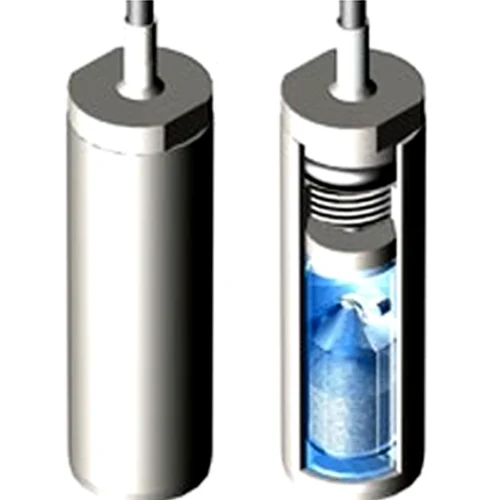
In calorimetry, the sample holder known as the cell is as important as the calorimeter itself. The calorimeter provides the heating, cooling and heat flow measurement functions, while the cell contains the sample within the sensor and enables specific experimental operations.
The cell protects the sample from unwanted reactions and can also be instrumented to measure additional parameters such as pressure. Because the cell determines how substances interact within the calorimeter, it must remain chemically inert and stable throughout the experiment.
How do you choose a calorimetric cell for Thermal Analysis testing?
Selecting the correct calorimetric cell depends on the type of experiment being performed. Researchers must first consider the function required, such as mixing substances, introducing a gas or liquid, or performing tests under pressure.
The test cell construction materials must be compatible with the sample to prevent unwanted reactions or corrosion.
What is the MicroCalvet calorimeter?
The MicroCalvet is a bench top calorimeter that uses a patented three dimensional heat flux sensor based on Peltier elements. This design provides extremely high sensitivity and measurement accuracy.
The instrument supports flexible temperature conditions and can operate from approximately minus forty five degrees Celsius up to one hundred and seventy degrees Celsius.
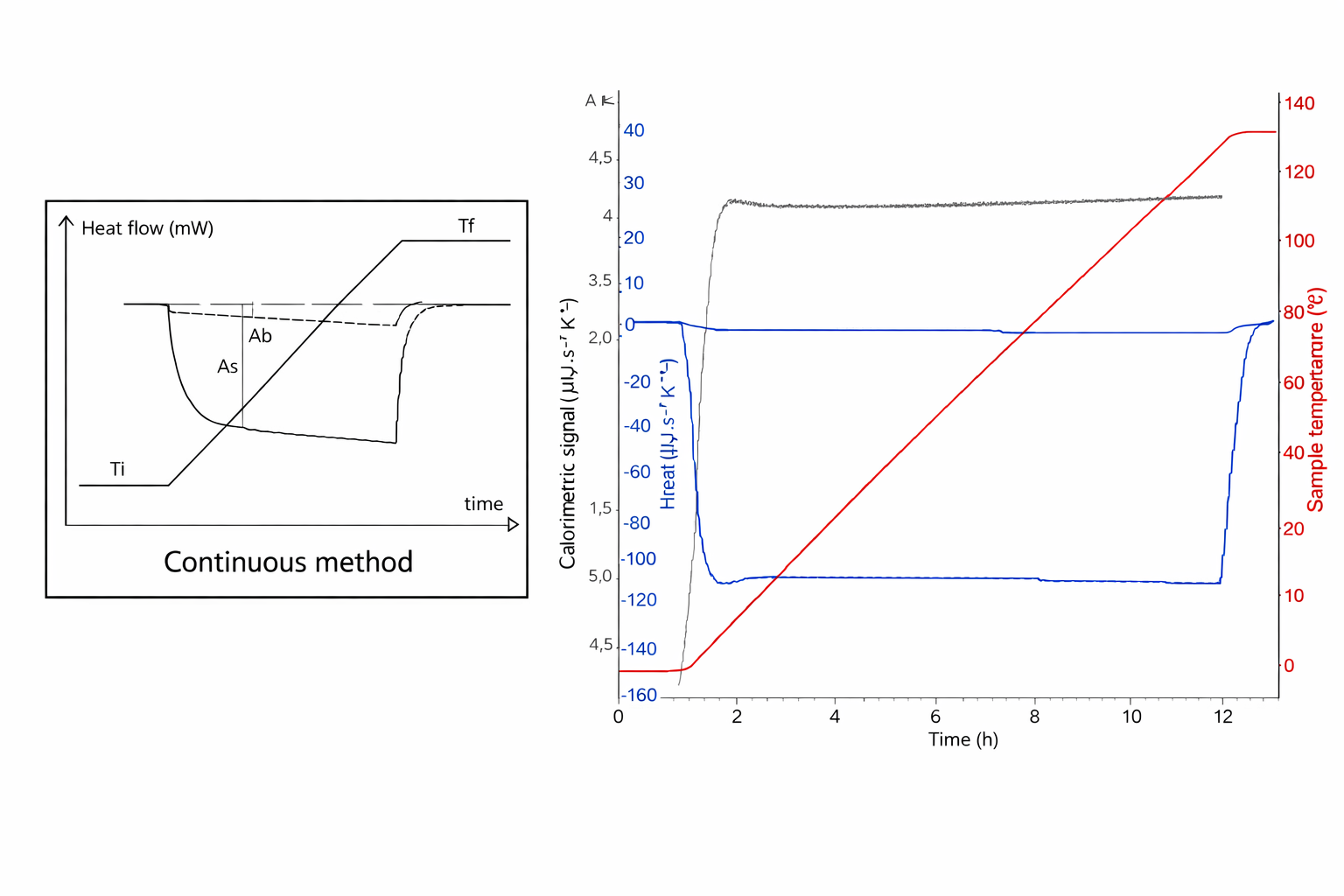
Interchangeable cells allow the instrument to perform many types of calorimetric experiments including heat capacity measurement, mixing experiments and sorption studies.
What types of cells are available for the MicroCalvet?
The MicroCalvet platform supports several cell configurations designed for different experimental needs.
Standard batch cells are commonly used for heat capacity measurements, phase transitions and general thermal behaviour studies. Mixing cells allow liquids or solids to be combined during the experiment so that reaction or dissolution enthalpies can be measured.
Wetting cells are designed for immersion and adsorption experiments where powders or porous materials interact with liquids. High pressure cells allow calorimetric measurements to be performed under elevated pressure conditions for studies such as gas sorption or hydrate formation.
Click To View Image
What types of calorimetric experiments can these Calvet cells support?
Different cells enable a variety of calorimetric experiments. Standard cells are typically used to measure heat capacity, melting behaviour and phase transitions.
Mixing cells support dissolution studies, dilution measurements and chemical reaction calorimetry. Wetting cells allow the heat of adsorption or immersion to be measured when liquids interact with solids.
High pressure cells make it possible to investigate reactions and sorption processes under controlled pressure environments.
"Understanding MicroCalvet Calorimetry for Advanced Thermal Analysis"
What to do Next?
Microcalorimetry provides highly sensitive insight into heat flow during chemical reactions, adsorption processes, dissolution, and material interactions. Instruments such as the MicroCalvet calorimeter allow researchers to investigate thermodynamic behaviour with exceptional accuracy across a wide range of experimental conditions.
If you would like to learn more about how microcalorimetry can support your research or analytical applications, explore the MicroCalvet system below or contact the SciMed team for further guidance.
Page FAQ's
Yes. High pressure cells can be used with the instrument, enabling experiments to be conducted at pressures reaching hundreds of bar depending on the cell configuration
The typical operating temperature range is approximately minus forty five degrees Celsius to one hundred and twenty degrees Celsius, although extended ranges may be possible depending on the instrument configuration.
Yes. One of the key advantages of the MicroCalvet system is the ability to exchange cells so that different types of calorimetric experiments can be performed on the same instrument.
Contact Us Today
We take great pleasure in assisting you and ensuring you get a prompt response to your questions
Live chat opening hours Mon – Fri 9:15 to 16:30 (UK Time)