
SciMed Education
How can I make ICP-MS Analysis Faster and More Cost-Effective?
In Summary
Making ICP-MS analysis faster and more cost-effective involves optimising workflows and instrument performance such as by using efficient systems like the PlasmaQuant MS to reduce argon gas consumption, increase sample throughput, simplify maintenance, and lower overall operating costs while maintaining analytical quality.
High-Throughput Elemental Analysis with the PlasmaQuant MS
The PlasmaQuant MS ICP-MS system delivers fast, sensitive, and reliable elemental analysis while reducing operating costs. Designed for high-throughput laboratories, it enables rapid ICP-MS sample analysis with up to 50% lower argon consumption compared to conventional ICP-MS instruments (typical total flow rate of 10 L/min. compared to 20 L/Min).
Whether you are analysing water, environmental, food, geological, or materials samples, the PlasmaQuant MS helps laboratories increase productivity and reduce cost per sample.
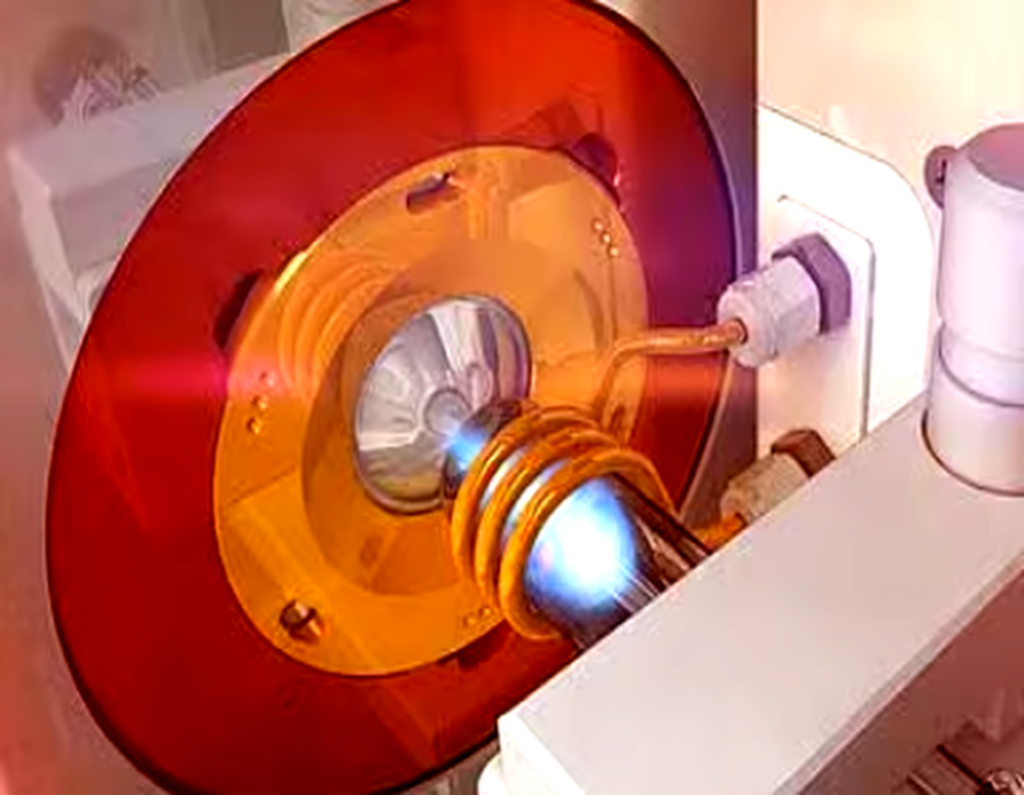
Why ICP-MS Measurement Time Is Critical?
ICP-MS (Inductively Coupled Plasma Mass Spectrometry) is the preferred technique for trace and ultra-trace elemental analysis, capable of detecting elements at parts-per-trillion (ppt) levels. However, traditional ICP-MS workflows can be limited by long measurement times and high argon consumption.
By optimising ICP-MS measurement time, laboratories can:
- Increase sample throughput
- Reduce turnaround times
- Lower argon and operating costs
- Improve overall laboratory efficiency
The PlasmaQuant MS is engineered to address these challenges directly, making analysis faster and more cost-effective saving money and time.
How can I save time by fast ICP-MS Analysis of Liquid Samples?
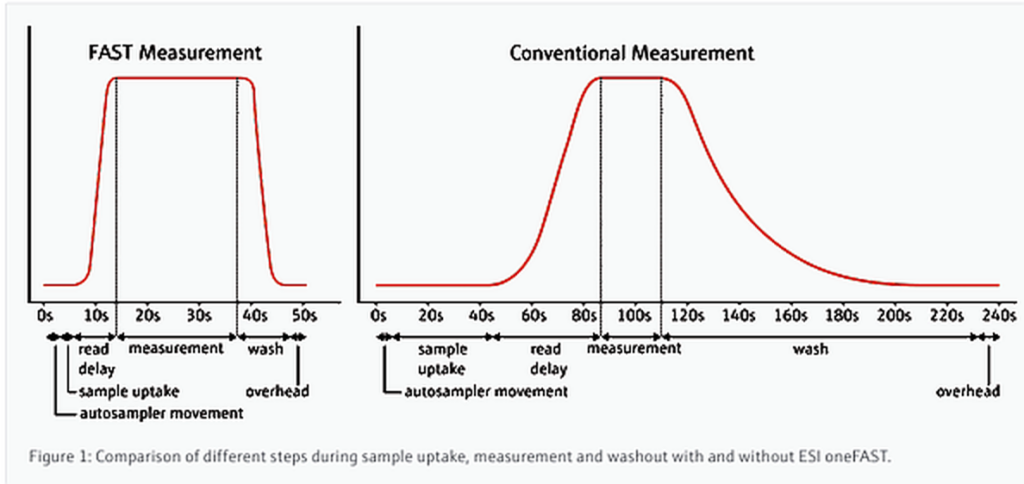
Liquid samples such as drinking water, wastewater, industrial process water, and digested solids are commonly analysed by ICP-MS.
- Conventional ICP-MS liquid analysis: ~4 minutes per sample
- High-throughput ICP-MS with sample loop systems: as little as 50 seconds per sample
- Analysis is 4-times faster allowing laboratories to quadruple throughput and reduce cost per sample by 75%
Using high-speed autosampler accessories, sample uptake and wash times are minimized while maintaining excellent precision.
Optimised for High-Sensitivity ICP-MS
- Up to 1.5 million cps/ppb Indium sensitivity
- Minimum dwell time of 50 ms
- Excellent RSD performance at low concentrations
The integrated Collision Reaction Cell (iCRC) supports rapid switching between helium collision and hydrogen reaction modes, ensuring interference-free ICP-MS analysis.
These features enable fast multi-element ICP-MS analysis without compromising data quality.
Saving time & money performing LC/GC ICP-MS for Elemental Speciation?
The PlasmaQuant MS integrates seamlessly with chromatographic techniques, enabling ICP-MS speciation analysis.
Common Applications
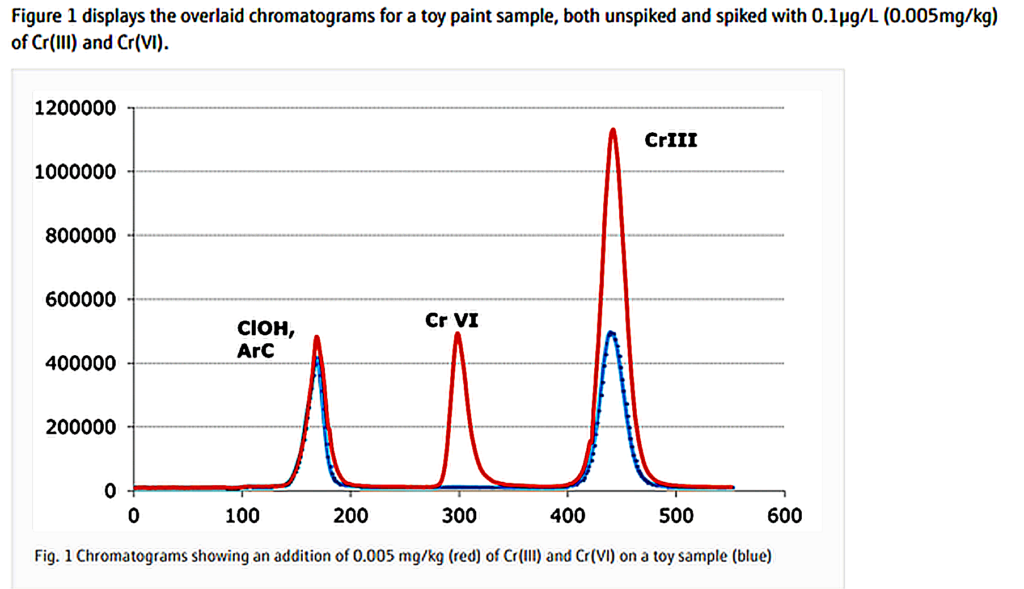
- HPLC-ICP-MS for chromium speciation (Cr(III)/Cr(VI)) in drinking water and toys (EN 71-3)
- HPLC-ICP-MS for arsenic species in food and agricultural samples
- GC-ICP-MS for mercury and volatile elements
Typical separation times range from 10 to 30 minutes per sample, depending on the chromatographic method. For real-time detection by ICP-MS, the PlasmaQuant MS uses 50% less argon than other ICP-MS, reducing running costs substantially.
Laser Ablation ICP-MS for Solid Sample Analysis
Laser Ablation ICP-MS (LA-ICP-MS) allows direct elemental analysis of solid samples without acid digestion. Different laser ablation systems allow for scanning rates, but typically time per analysis is
- Targeted solid ICP-MS analysis (e.g. nickel alloys, zircon U-Pb dating): ~1 minute per sample
- 2D elemental imaging by ICP-MS: scalable from minutes to several hours
The PlasmaQuant MS has several features making it ideal for LA-ICP-MS. These include a fast dwell time of 50 ms and high sensitivity. Whilst only using 10 L/min argon compared to 20 L/min for other systems, reducing running costs substantially. This makes the PlasmaQuant MS ideal for materials science, geochemistry, mining, and life science research.
How can I reduce ICP-MS Argon Consumption and Operating Costs?
Argon gas is one of the largest ongoing costs in ICP-MS operation. The PlasmaQuant® MS is designed to reduce argon usage by up to 50%, using only 10 L/min, delivering significant long-term savings.
Typical Argon Cost per ICP-MS Sample:
| ICP-MS Application | PlasmaQuant MS | Conventional ICP-MS |
| Liquid ICP-MS (4 min) | £0.16 | £0.32 |
| High-throughput liquid ICP-MS | £0.04 | £0.08 |
| HPLC-ICP-MS (10 min) | £4.00 | £8.00 |
| HPLC-ICP-MS (30 min) | £12.00 | £24.00 |
| LA-ICP-MS (1 min) | £0.04 | £0.08 |
| LA-ICP-MS imaging | £12.00 | £24.00 |
Lower argon consumption directly translates into a lower cost per ICP-MS analysis.
The Ideal ICP-MS System for High-Throughput Laboratories
The PlasmaQuant MS ICP-MS instrument is designed for laboratories that demand:
- Faster ICP-MS analysis times
- Lower operating and argon costs (50% lower, at 10 L/min)
- High sensitivity and accuracy
- Flexible workflows for liquids, solids, and speciation
What to Do Next?
Upgrade your elemental analysis capabilities with the PlasmaQuant® MS or contact us for more information.
Page FAQ's
The main cost drivers are argon gas consumption, sample throughput, maintenance frequency, and instrument efficiency. Optimising these areas can significantly reduce per-sample operating costs without compromising analytical performance.
Lower argon usage reduces running costs while also improving sustainability. Modern ICP-MS systems are designed to maintain sensitivity and stability while using less gas, making routine analysis more economical.
No — when achieved through instrument optimisation and efficient workflow design, faster analysis can maintain or even improve precision and reproducibility while increasing laboratory productivity.
Automation reduces manual intervention, minimises downtime, and enables continuous sample processing, helping laboratories achieve higher throughput with consistent results.
Contact Us Today
We take great pleasure in assisting you and ensuring you get a prompt response to your questions
Live chat opening hours Mon – Fri 9:15 to 16:30 (UK Time)