
SciMed Education
Water and Sediment Testing in Petroleum by Centrifuge
Summary
Water and sediment testing in petroleum by centrifugation provides a fast and reliable method for quantifying contamination in crude oil and petroleum products, supporting quality control, regulatory compliance, and fair commercial transactions.
Introduction
Centrifugation methods are widely used across the petroleum industry to assess the cleanliness and suitability of crude oil and refined fuels. By physically separating heavier phases from the oil, this technique allows laboratories and field operators to quantify unwanted water and solid material that may be present as a result of production, transport, or storage. The results play an important role in operational decision making, product acceptance, and ongoing condition monitoring.
Why is Measuring Water and Sediment in Petroleum Products Important?
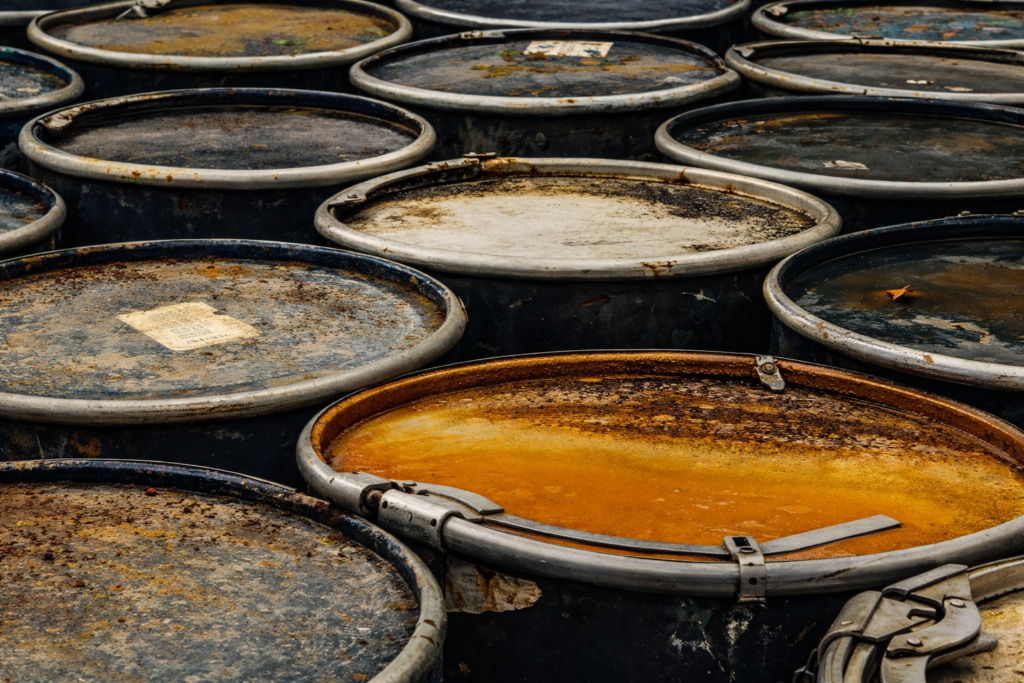
Petroleum products may contain water and solid contaminants such as rust, sand, or scale. These impurities reduce the value of the product and can cause corrosion, blockages, microbial growth, and mechanical damage in pipelines, storage tanks, and engines. Accurate measurement of sediment and water content ensures compliance with contractual limits and industry regulations.
How is the Centrifuge Test Performed?
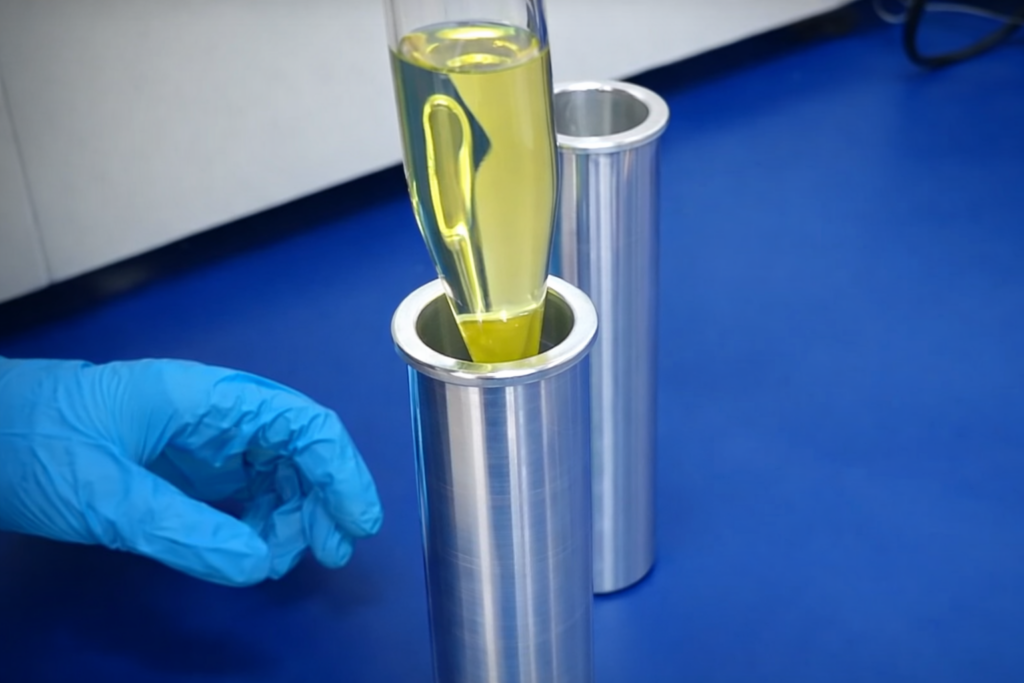
The centrifuge method accelerates the separation of water and sediment from petroleum products by applying centrifugal force. A representative sample is placed into a calibrated centrifuge tube, often mixed with solvent, heated to reduce viscosity, and spun at controlled speed. Water and solids collect at the bottom of the tube and are measured volumetrically.
Typical steps include sample preparation, heating, centrifugation, and visual measurement of the separated layer.
Which Standards Apply to Measuring Water and Sediment in Petroleum products?
Water and sediment centrifugation testing is governed by several internationally recognized standards that define how petroleum samples should be handled, processed, and reported to ensure consistent and comparable results.
Commonly used methods include ASTM D4007 for determining water and sediment in crude oil, ASTM D1796 for fuel oils, ASTM D2709 for middle distillate fuels such as diesel, and ISO 3734, which provides an internationally harmonized approach to centrifuge-based water and sediment determination.
These standards specify critical test parameters including sample preparation procedures, centrifuge speed and relative centrifugal force, test temperature, centrifuge tube type, solvent usage, and reporting criteria.
Adherence to the appropriate standard is essential for regulatory compliance, custody transfer measurements, and quality control testing, ensuring that results are reliable, repeatable, and accepted across laboratories and commercial transactions.
What Equipment is Required for Measuring Water and Sediment in Petroleum products?
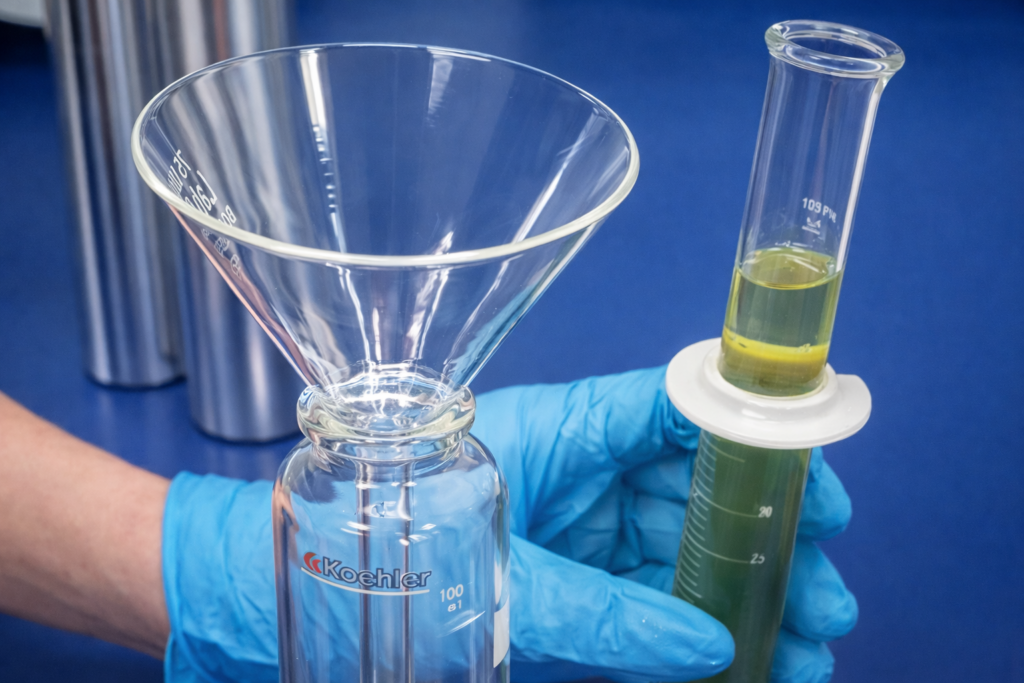
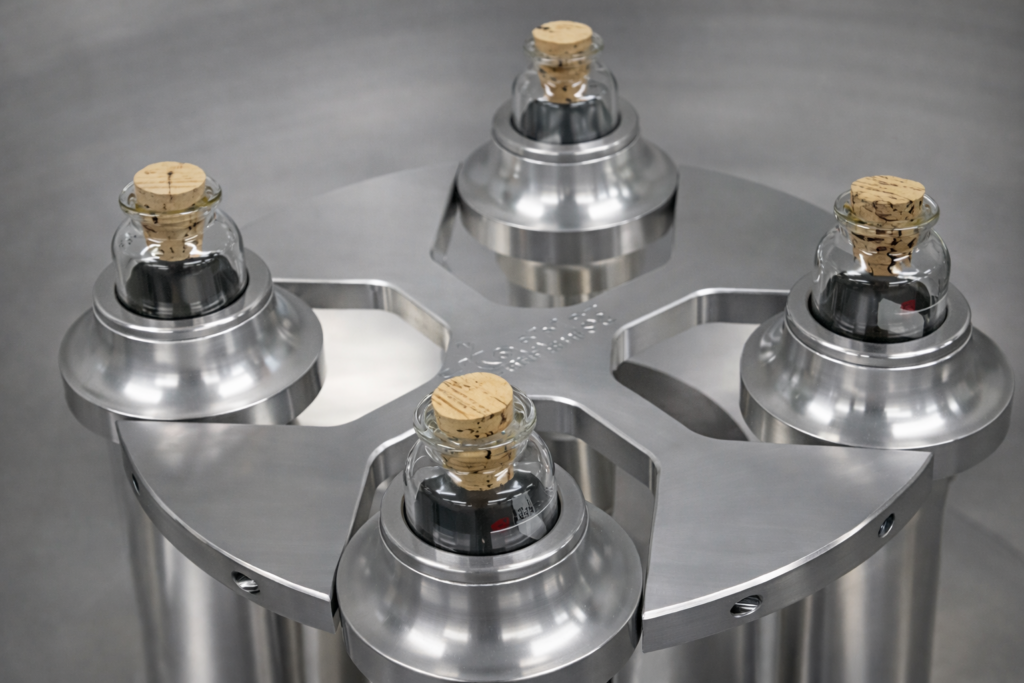
- Heated oil centrifuge capable of operating at the required centrifugal force whilst maintaining defined test temperatures
- Appropriate rotor
- Calibrated centrifuge tubes for the appropriate ASTM
- Necessary solvents for the required methods (such as toluene)
- Centrifuge must be suitable for use with flammable solvents.
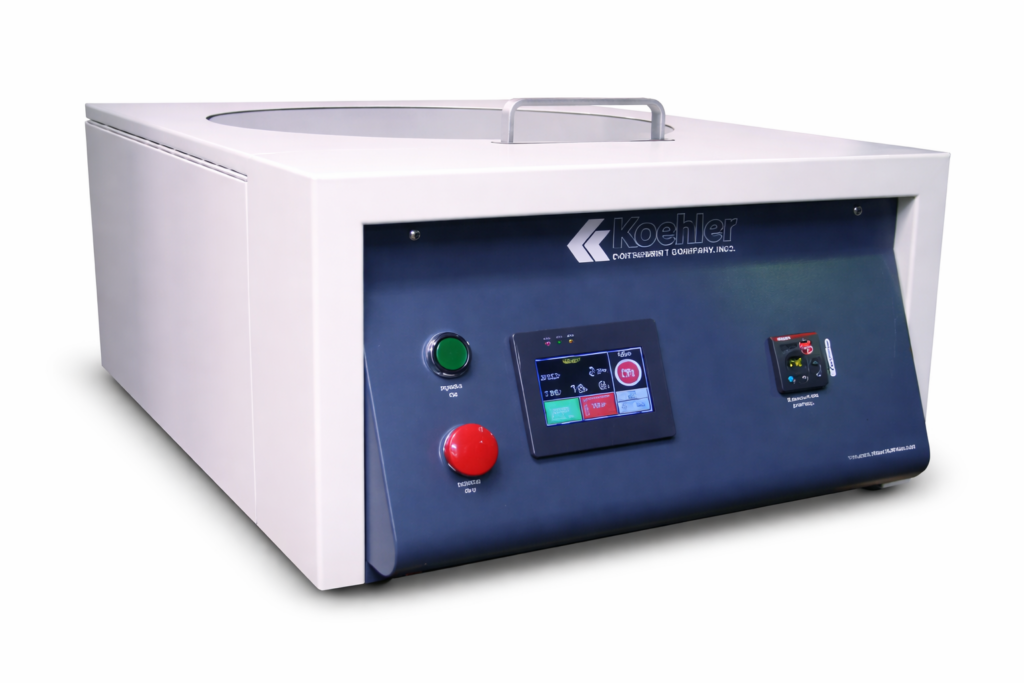
Koehler Automatic Test Centrifuge for Measuring Water and Sediment in Petroleum products
The Koehler Automatic Test Centrifuge is designed for routine determination of water and sediment in petroleum products using centrifuge-based test methods. It provides controlled, repeatable separation of water and solids from crude oils, fuels, and lubricants, supporting laboratory quality control and compliance testing.
With automated speed control and programmable test cycles, the centrifuge ensures consistent operation in accordance with industry standards such as ASTM D4007, D1796, and D2709. Interchangeable rotor options allow compatibility with a range of centrifuge tube formats, making the instrument suitable for multiple petroleum testing applications within a single laboratory.
Its robust construction and safety interlocks support safe operation when working with volatile samples, while the automated workflow reduces operator variability and improves test efficiency.
In this video you will see:
Loading centrifuge tubes into the rotor
Setting temperature, speed, and run time via the touchscreen
Safe operation with the lid closed during centrifugation
Separation of water and sediment from oil samples
Removal of tubes for result inspection
Other Products of Interest:
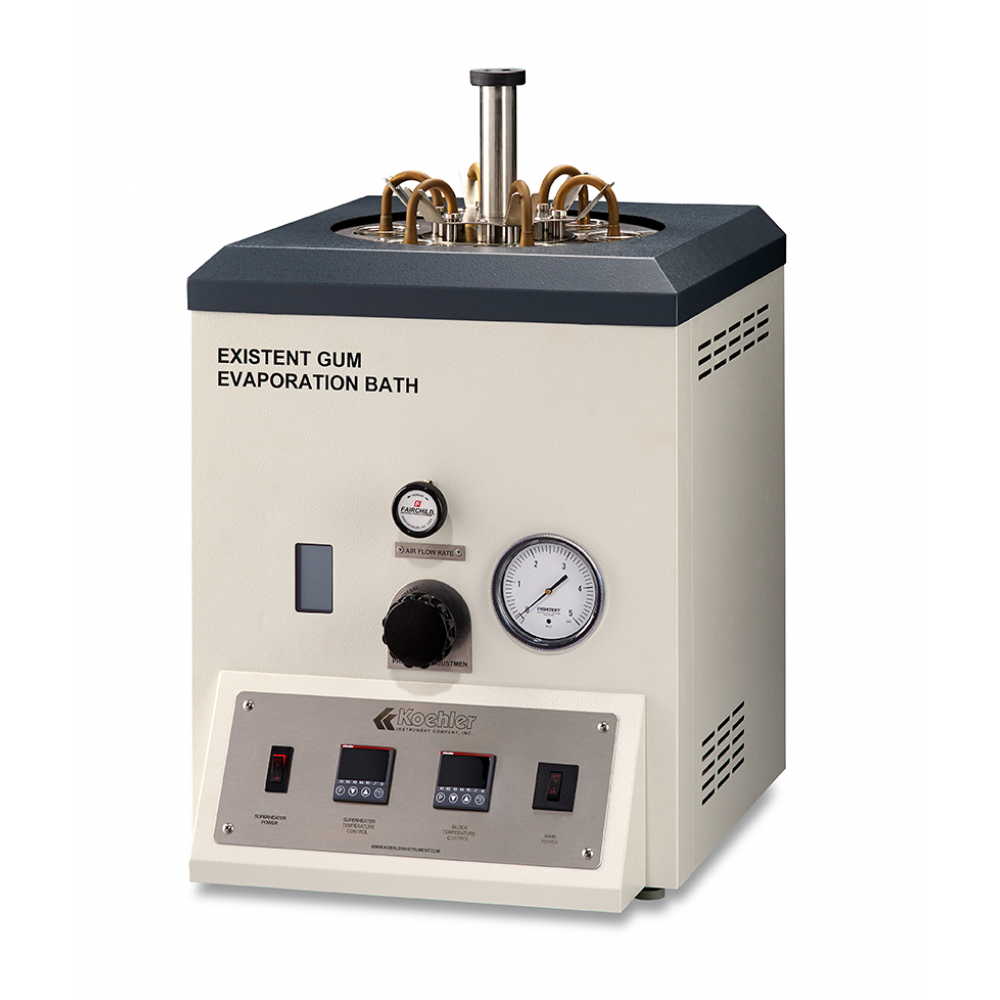
Existent Gum Evaporation Bath
Gum formed during fuel storage can deposit on induction system surfaces, intake valves, stems and guides. To test for gum content, a 50ml sample is evaporated in an aluminum block bath for a specified period under controlled conditions of temperature and flow of air or steam.
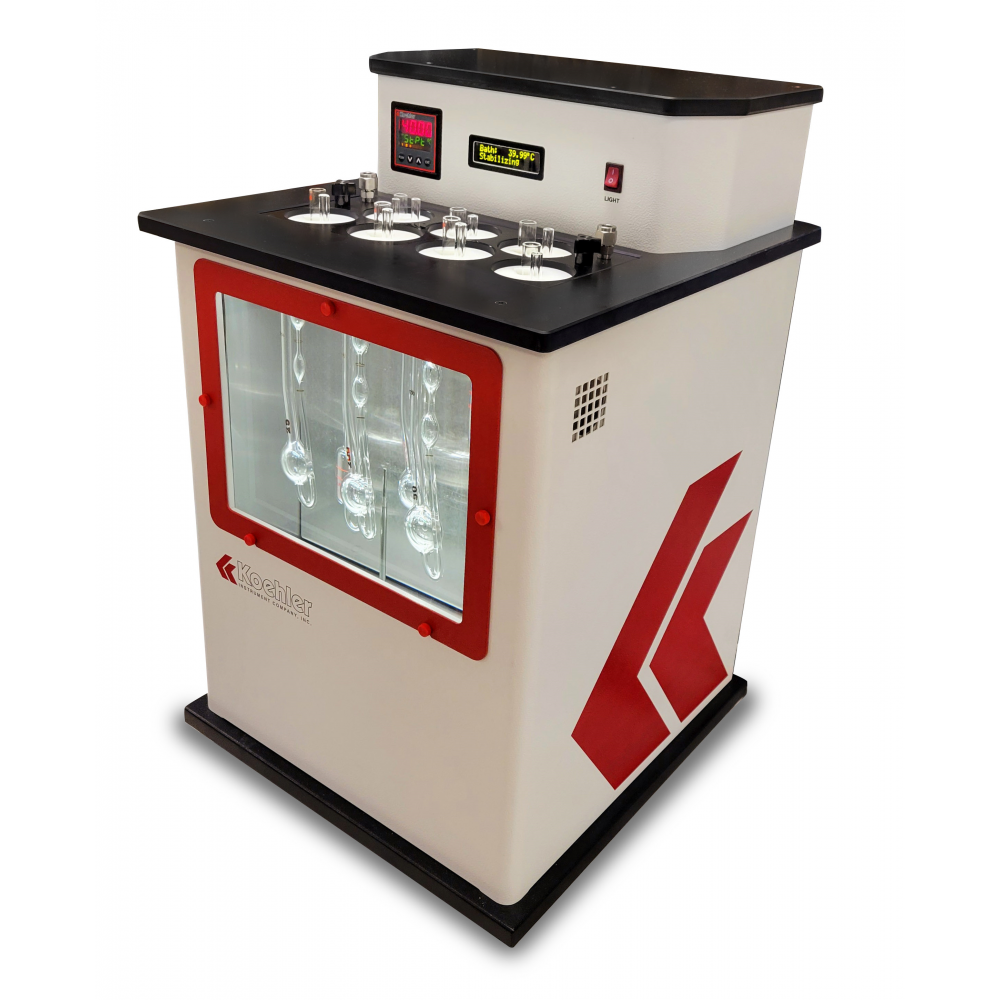
Kinematic Viscosity Bath
Kinematic viscosity primary importance in the design and selection of a wide range of petroleum products. Calibrated capillary viscometers are used to measure flow under gravity or vacuum at precisely controlled temperatures.
What to do next?
For more information on centrifuge water and sediment petroleum testing or to discuss suitable equipment for your laboratory, contact SciMed today or request a product demonstration.
Page FAQ's
Centrifuge testing provides a fast and practical method for separating and measuring water and sediment, particularly for field and routine laboratory testing. While distillation methods may offer higher precision, centrifugation is widely used for quality control and custody transfer applications.
Centrifuge methods can be applied to crude oils, fuel oils, middle distillate fuels such as diesel, and some biodiesel blends, depending on the applicable ASTM or ISO standard.
Heating is not always required, but it is strongly recommended for crude oils and heavy or waxy fuels. Maintaining the correct test temperature improves phase separation and result accuracy, which is why heated oil test centrifuges are commonly used.
Commonly referenced standards include ASTM D4007, ASTM D1796, ASTM D2709, and ISO 3734. These standards define sample preparation, centrifuge conditions, and reporting requirements.
When performed in accordance with the relevant standard method, centrifuge testing provides repeatable and industry accepted results suitable for quality control, regulatory compliance, and commercial transactions.
Contact Us Today
We take great pleasure in assisting you and ensuring you get a prompt response to your questions
Live chat opening hours Mon – Fri 9:15 to 16:30 (UK Time)